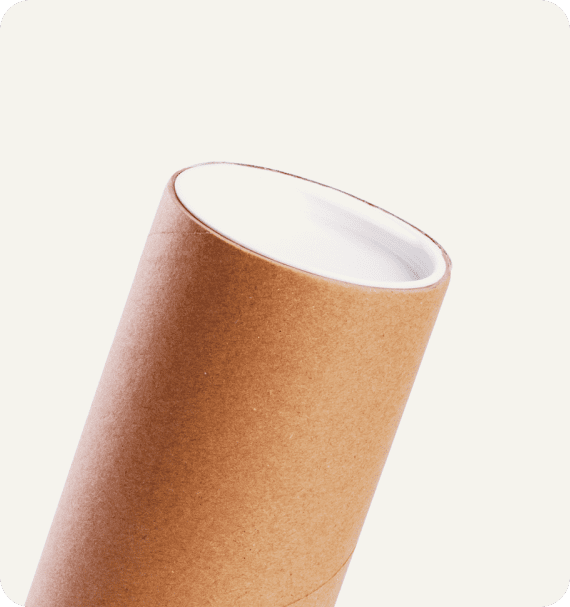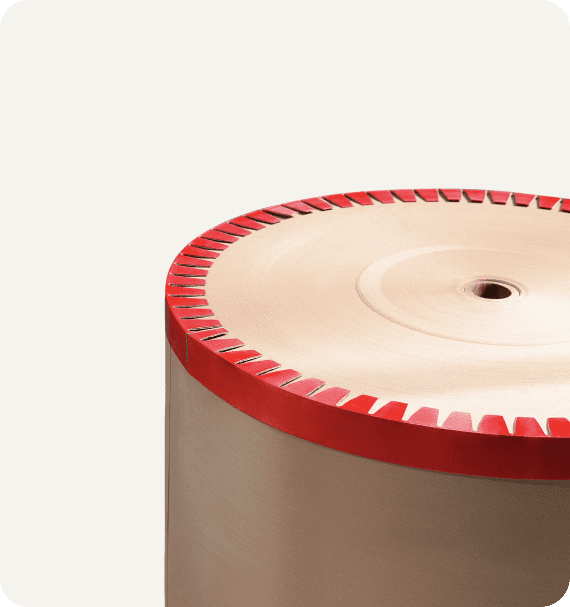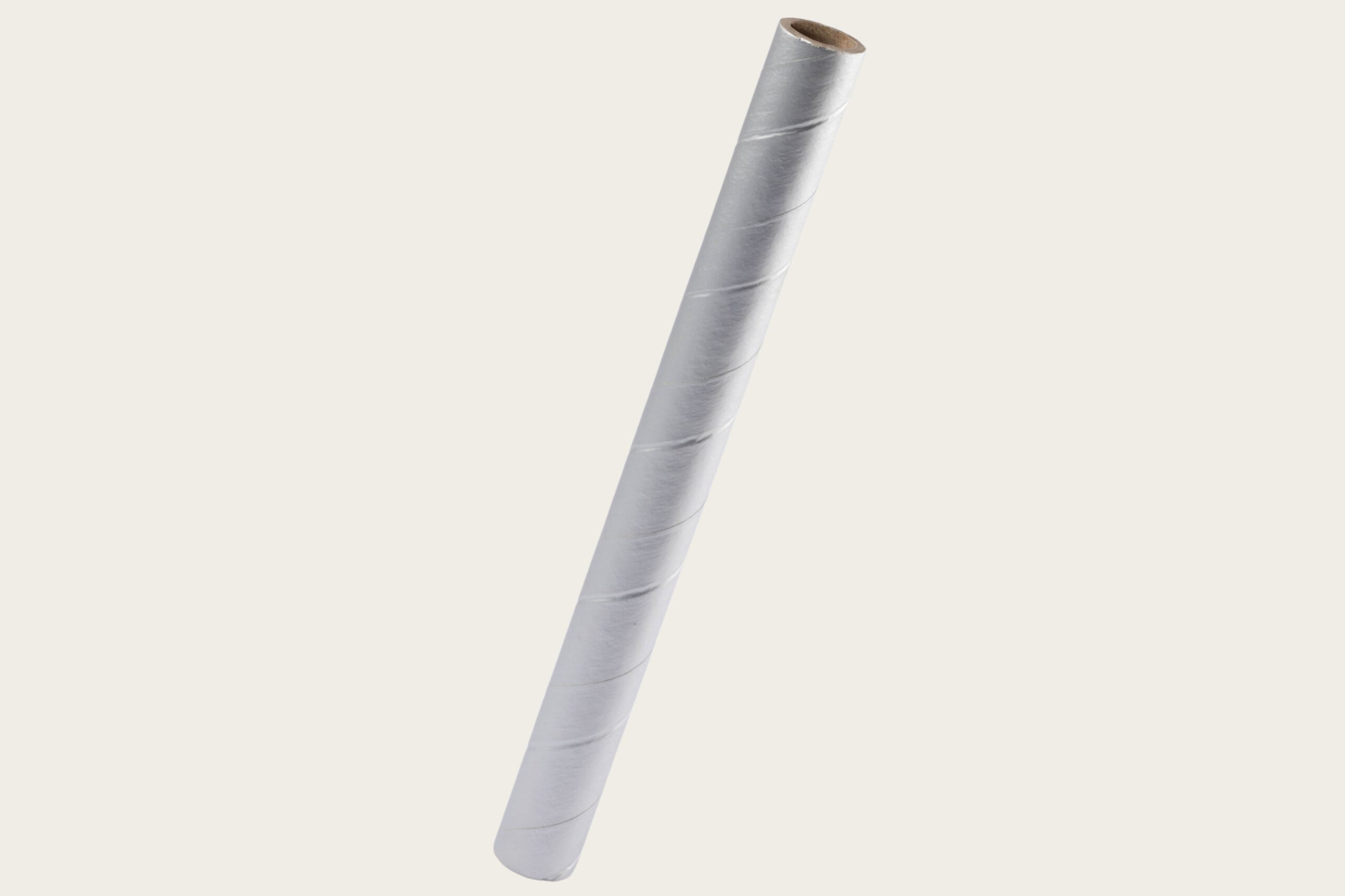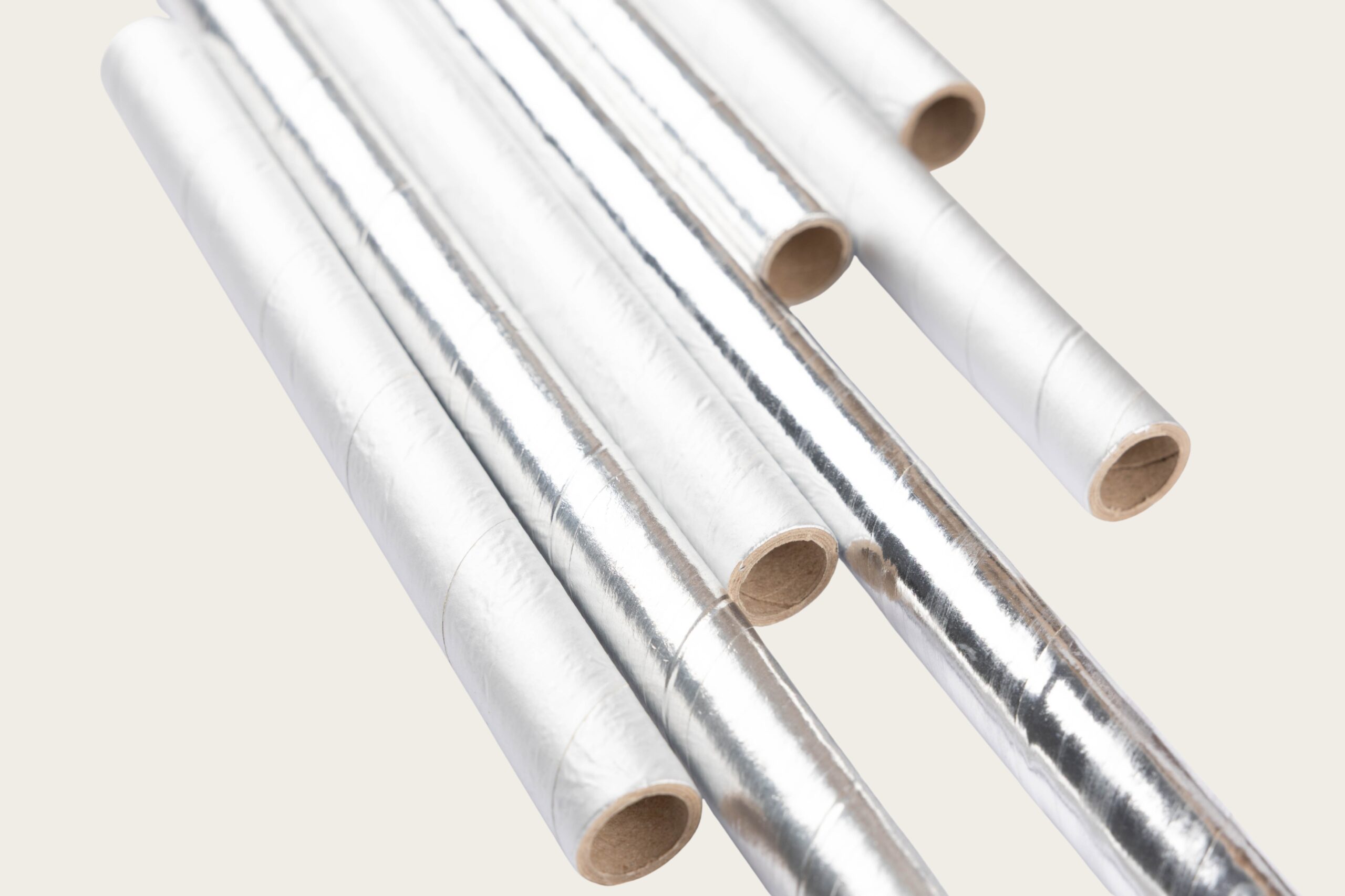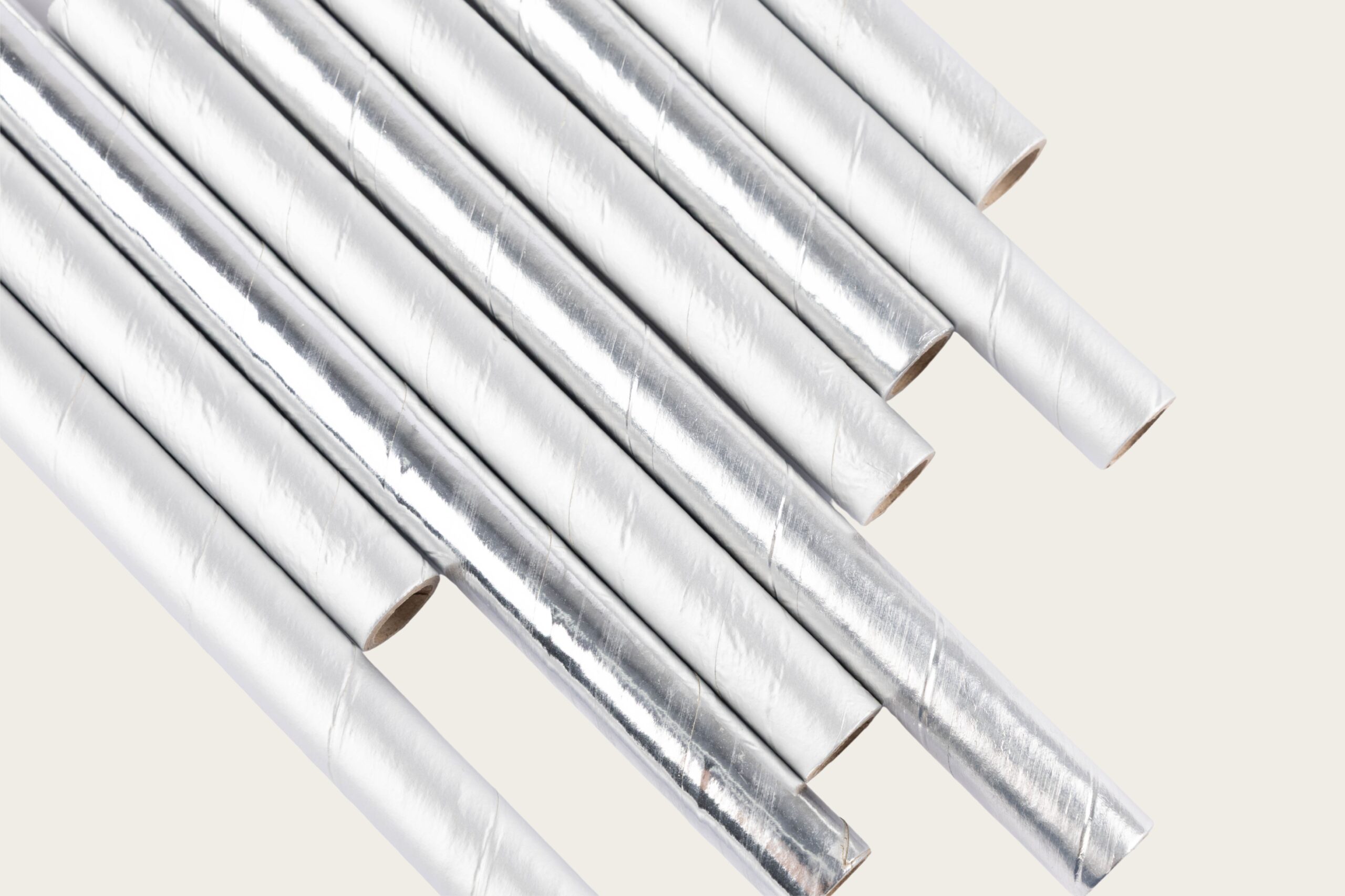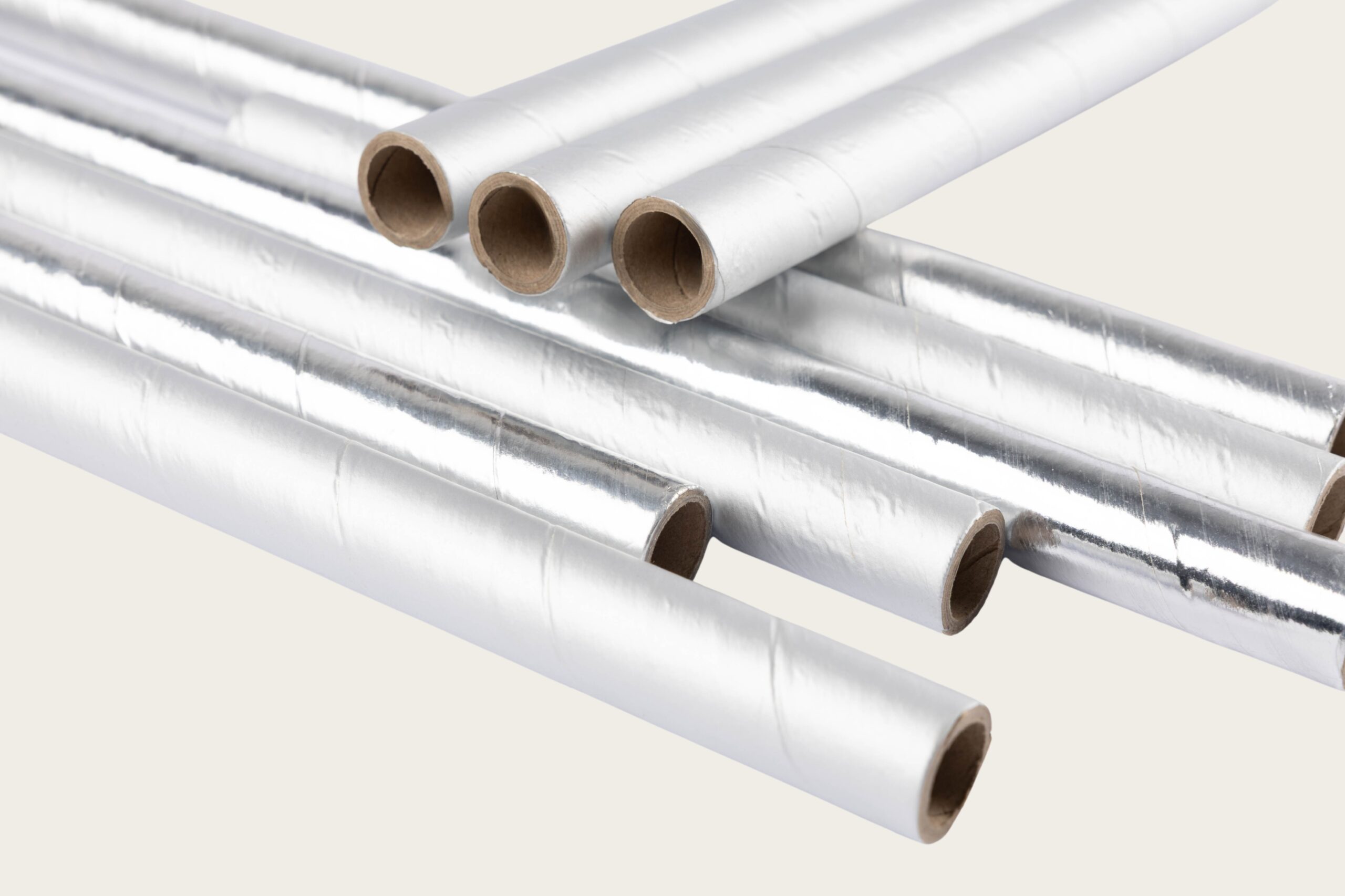
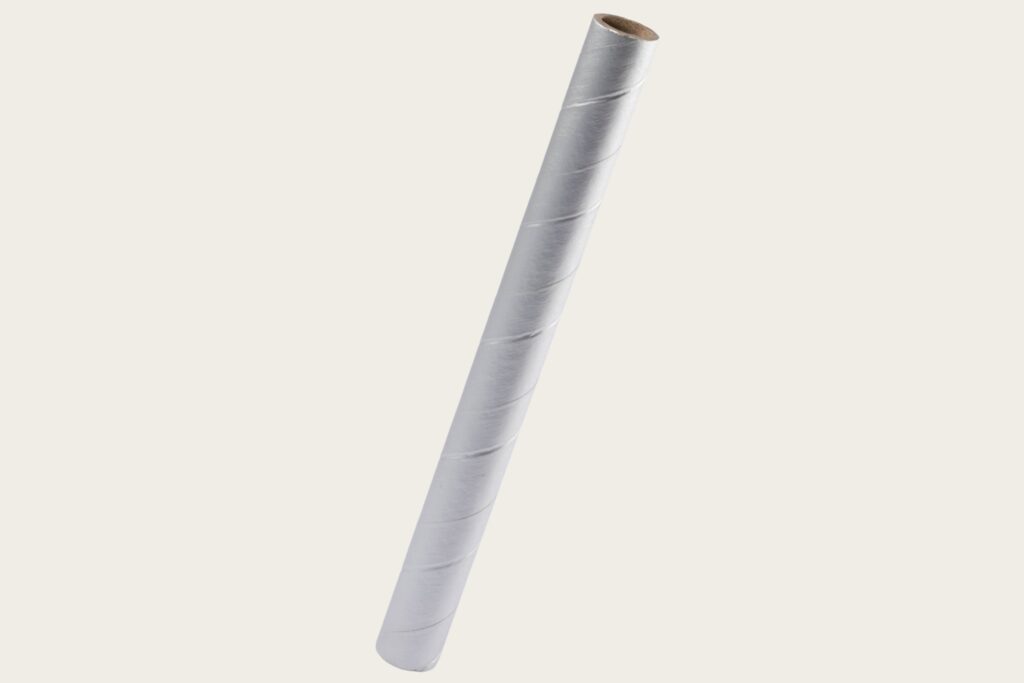
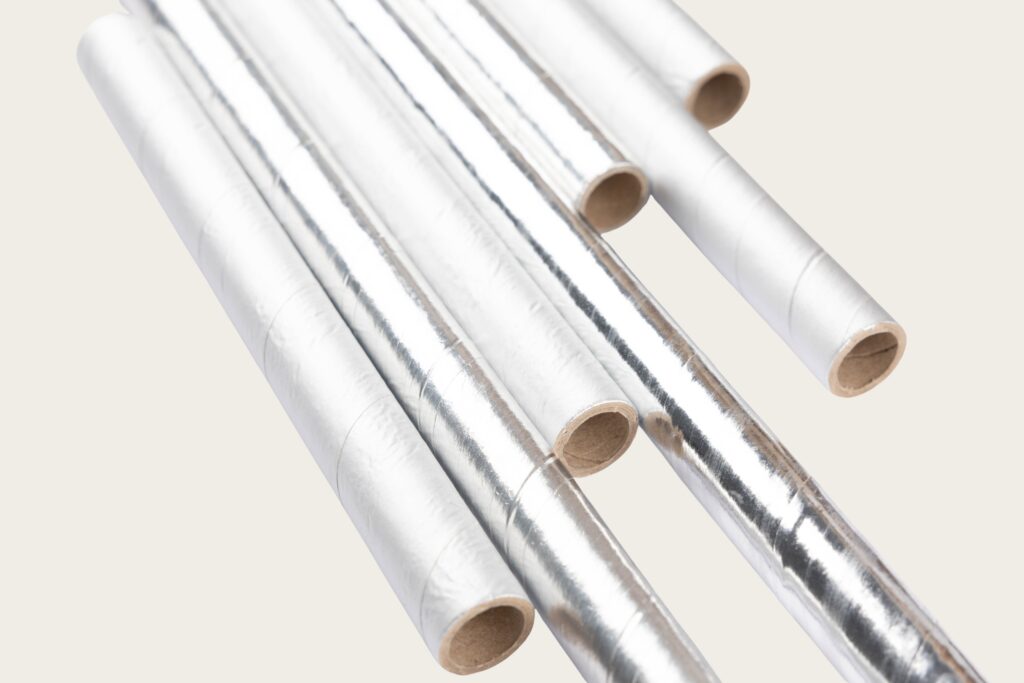
A kebab tube is a technological element used in the process of preparing and forming kebab meat. Its main function is to maintain the stable shape of the meat and enable its safe storage, freezing and subsequent installation on a vertical grill skewer.
Döner tube




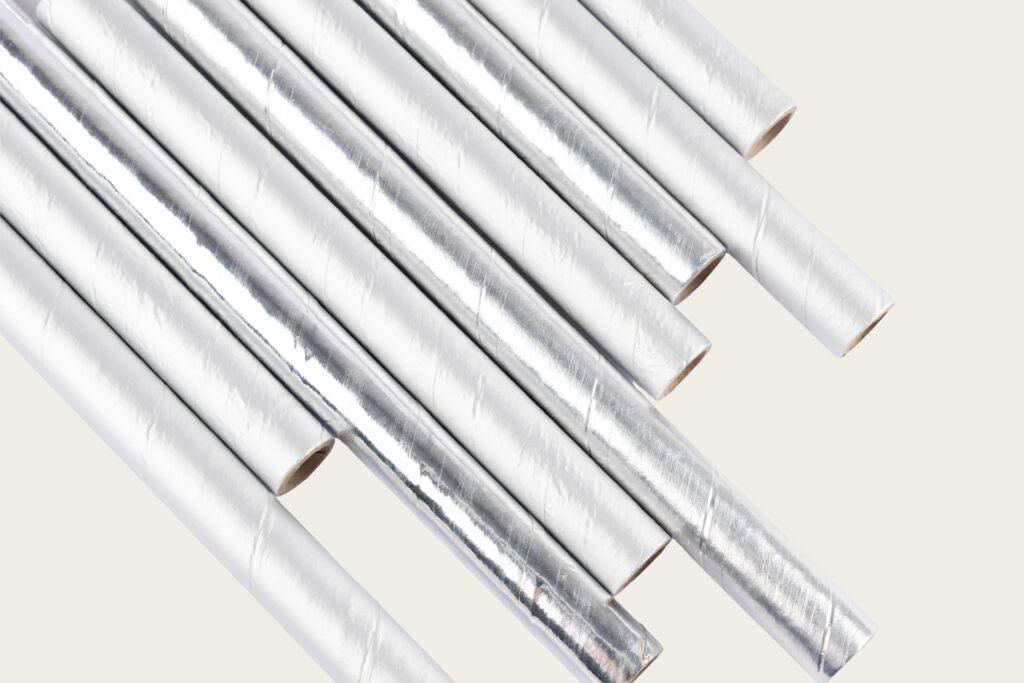
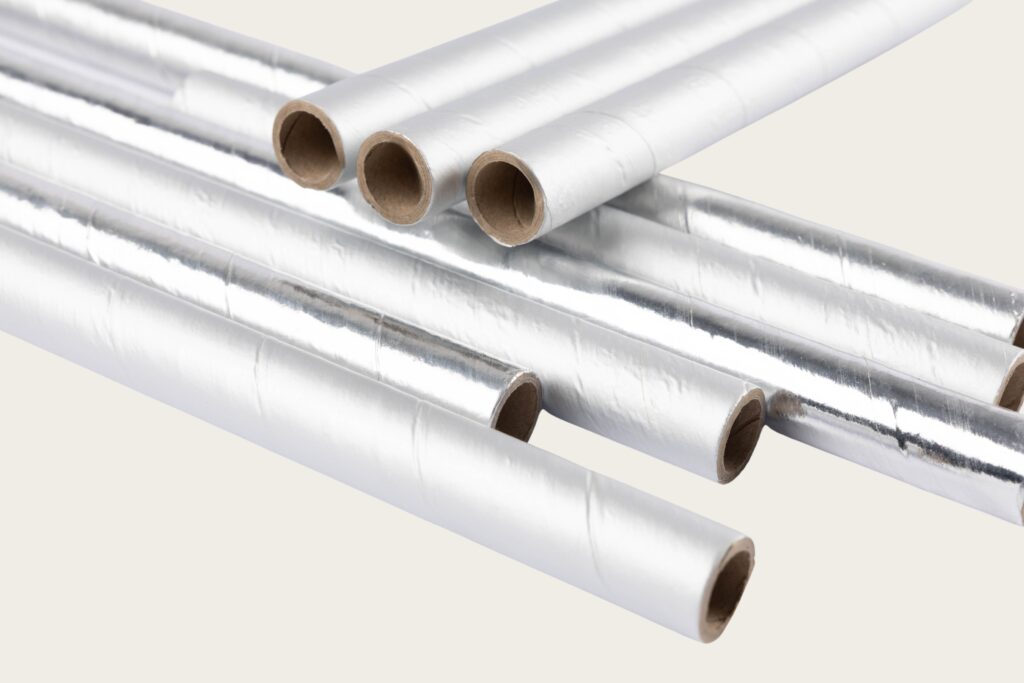
About the product
In modern catering and meat processing, the cores have become a standard element of the production process, which allows for increased repeatability, hygiene and work efficiency.
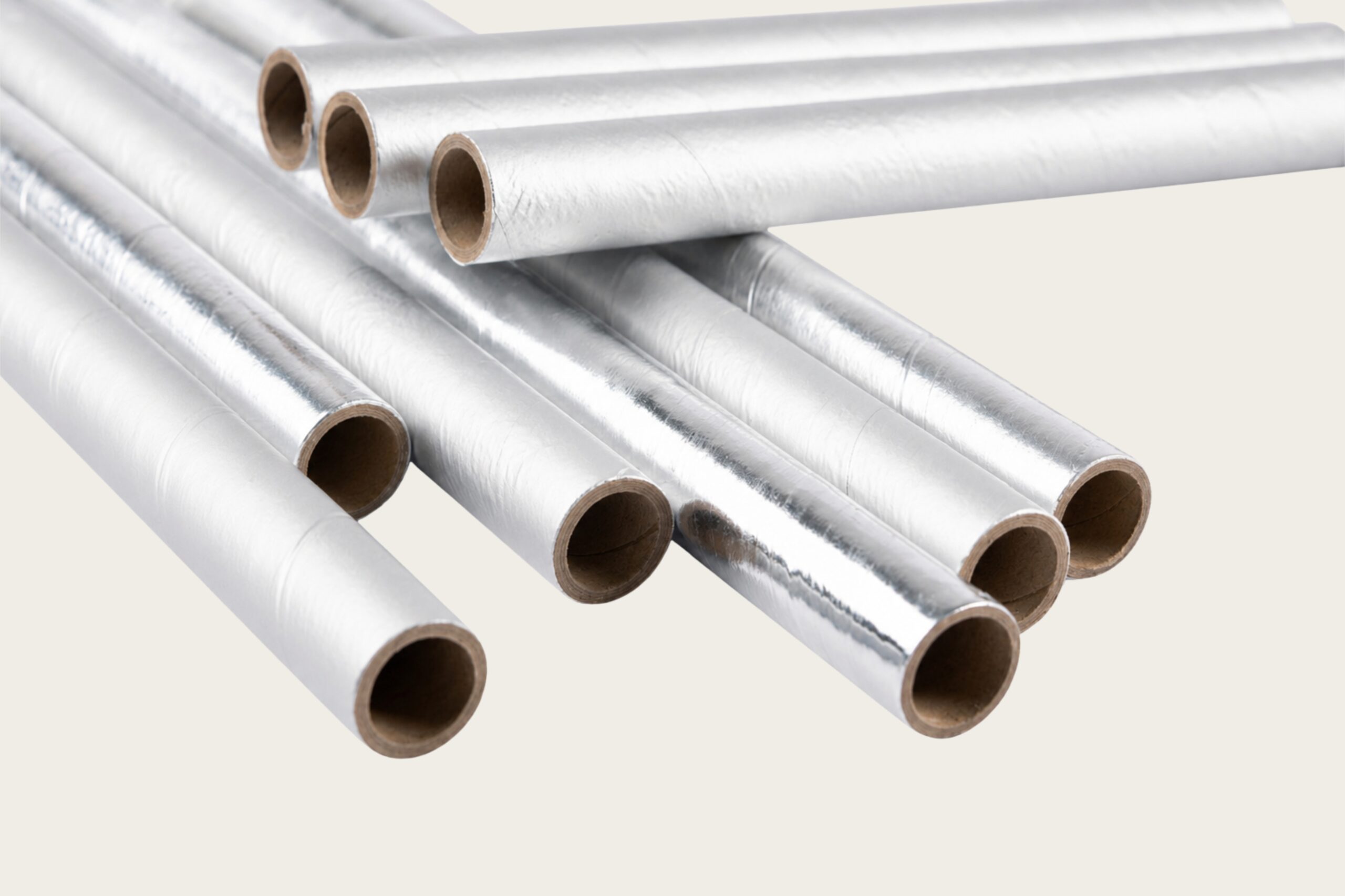
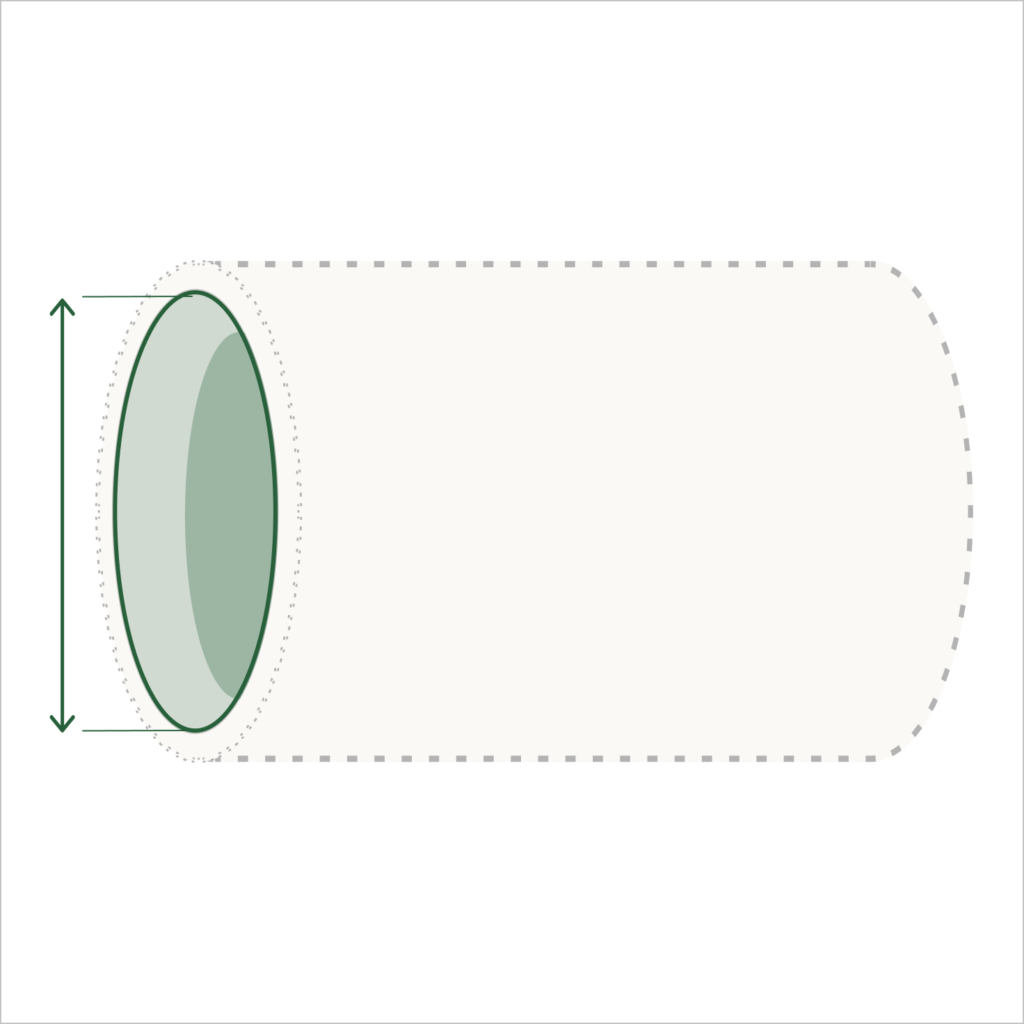
Döner tube are available in various diameters and lengths, allowing them to be adapted to most commercial kebab production systems and vertical rotisserie equipment. They are commonly used in the preparation of beef doner kebab, chicken doner kebab, and mixed meat kebab intended for both retail and industrial-scale production.
Freezer-compatible döner cores are increasingly used in modern food production, enabling pre-formed meat cones to be stored under chilled or frozen conditions. This improves production planning, reduces raw material waste, and supports more efficient workflow management during peak demand periods.

Eco-friendly
100% recyclable, environmentally safe cardboard
Advantages
Areas of application
Frequently asked questions
In such situations, the problem usually stems from a mismatch of parameters.
We help select the appropriate wall thickness and stiffness to eliminate deformation during production.
Typically, the following are sufficient:
– inner diameter
– roll width
– material type
– machine speed
Yes, we do most of our production this way.
We match the cores to the specific spindle and process.
The most common causes are:
– too weak a core structure
– too much material tension
– incorrectly selected diameter
Yes, but only in reinforced versions.
These cores are designed for higher loads and stable operation under pressure.
Yes – if they are manufactured with appropriate precision and stability.
In such applications, dimensional repeatability is crucial.
Yes, and very directly.
A well-chosen core ensures even winding and a stable roll without deformation.
In many applications, yes.
Customers choose them because of:
– lower cost
– environmental friendliness
– sufficient durability for industrial production
Yes, as long as they are selected appropriately for the weight and type of roll.
They can be used in domestic and export logistics.
Yes – we often start cooperation with a trial batch to check the core’s fit to the customer’s process.
The most common consequences include:
– machine downtime
– production waste
– uneven winding
– higher costs of the entire process
That’s why we always help you choose the right option before production